

What is PRP Therapy
Platelet-Rich Plasma (PRP) therapy is a medical procedure that utilizes a concentrated form of your own blood to potentially promote healing and tissue regeneration. Blood is composed of various components, including red blood cells, white blood cells, plasma, and platelets. Platelets contain growth factors that may aid in tissue repair.
How is PRP Administered?
1. Preparation:
Before the procedure, a small amount of blood (usually from your arm) is drawn.
2. Processing:
The drawn blood is then processed in a centrifuge to separate the platelets from other blood components, creating PRP.
3. Administration:
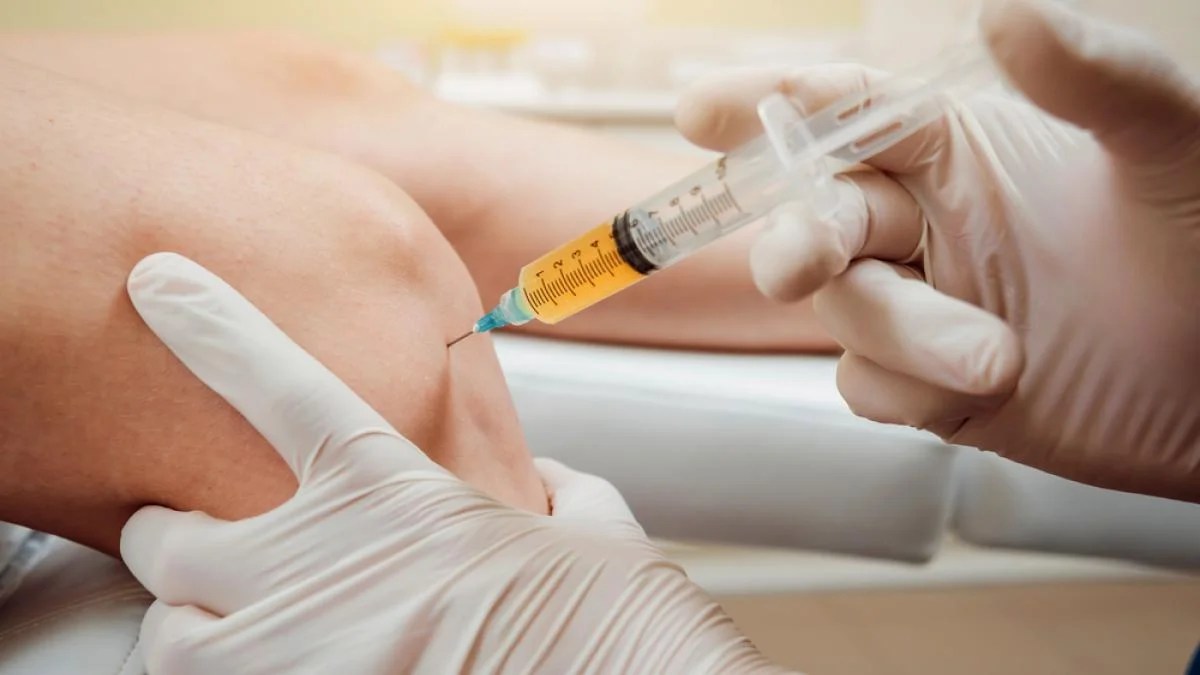
The concentrated PRP is then injected into the affected area using a sterile needle in the case of specific medical conditions.
What Conditions Can PRP Treat?
PRP therapy is used in various medical fields, including:
– Orthopedics: Tendon injuries, osteoarthritis, joint conditions.
– Sports Medicine: Muscle injuries, ligament injuries.
What to Expect During and After the Procedure?
During the procedure:
– You might feel a mild discomfort or a sensation of pressure at the injection site.
– The duration of the procedure varies based on the area being treated.
After the procedure:
– You might experience mild swelling, redness, or bruising at the injection site.
– Recovery time can vary depending on the condition being treated; your healthcare provider will advise you on post-treatment care.
Risks and Considerations
–Allergic Reaction: Since PRP is derived from your own blood, allergic reactions are rare.
– Infection: There’s a minimal risk of infection at the injection site.
– Pain or Discomfort: Mild discomfort or pain might be experienced at the injection site.
Is PRP Therapy Effective for Everyone?
PRP therapy’s effectiveness can vary from person to person and depends on the specific condition being treated. Not everyone may experience the same level of improvement.
Activity following PRP Therapy
Following PRP therapy, activity limitations may be advised to optimize the healing process and maximize the effectiveness of the treatment. However, these limitations can vary depending on the specific condition being treated and individual circumstances. Here are some general guidelines:
1. Rest: It’s often recommended to avoid vigorous activities immediately after PRP therapy. Resting the treated area helps the body to initiate the healing process without excessive stress on the tissues. You may ice the area for 20 minutes every 2-3 hours following the procedure. About 1 in 10 patients experience a flare following the procedure, please notify the treating practitioner and take pain medication as prescribed.
2. Avoiding High-Impact Activities: Activities that put significant stress or strain on the treated area should be avoided initially. This might include heavy lifting, intense workouts, or high-impact sports that could exacerbate the injury or condition.
3. Gradual Return to Normal Activities: Depending on your response to the treatment and the recommendation of your healthcare provider, you may gradually reintroduce normal activities. However, this reintroduction should be gradual and guided by your doctor’s advice.
4. Monitoring and Communication: Throughout the recovery process, it’s crucial to communicate any changes or concerns to your healthcare provider. They can adjust activity limitations or provide further guidance based on your progress.
Consultation and Follow-Up
Before considering PRP therapy, it’s essential to consult with a healthcare professional who can assess your condition and discuss whether PRP is a suitable treatment option for you. Follow-up appointments may be necessary to monitor your progress. You will likely be required to follow up every week for three weeks to complete the process, after which a. final follow up will be done at 6 weeks post injections to assess response to the injections.
Conclusion
PRP therapy is a potential treatment option for various conditions aiming to promote healing and tissue regeneration. However, its effectiveness can vary, and individual results may differ. Your healthcare provider will provide personalized guidance based on your specific needs and condition.
For any further questions or concerns, please consult your healthcare provider.
 Dr Janesh P Ganda